introduction: this article discusses network architecture recommendations for hong kong station clusters and multi-ip servers from a technical implementation perspective, focusing on compliance, availability and performance optimization. since it involves legal compliance, this article does not provide specific methods to avoid filing or illegal operations. it is recommended to promote deployment and consult legal or compliance consultants within the constraints of relevant regulations and contracts.
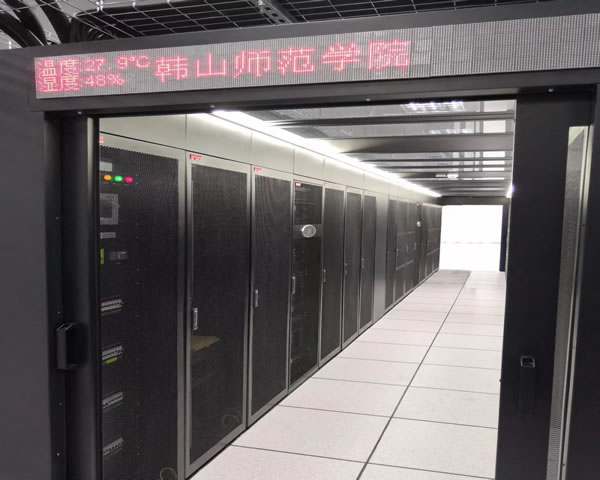
before designing the hong kong site cluster and multi-ip server architecture, you should first clarify the target market and regulatory requirements. hong kong and the mainland have different filing and review requirements. operators need to evaluate business ownership, data sovereignty and compliance obligations, ensure that the host location and service model are selected within the contract and legal framework, and avoid operational risks and passive adjustments caused by insufficient compliance.
multi-ip servers are used to improve availability and traffic sharing. it is recommended to adopt a layered topology: edge node (hong kong computer room), back-to-source node (private cloud or hosting computer room) and load balancing layer. through reasonable division of subnets, static and elastic ip combinations, network observability and controllability are maintained, and asset information is recorded for compliance auditing and emergency response.
dns is the core of geographical scheduling and disaster recovery. it is recommended to use a resolution service that supports geodns, health check and short ttl. combined with dns polling, weight distribution and health detection, traffic distribution and failover can be achieved without affecting compliance. record and parse policy change logs to meet audit requirements.
using cdn and edge caching for static resources can significantly reduce back-to-origin pressure and improve user experience. choose a cdn service that supports https, compression, and intelligent caching strategies, configure reasonable cache invalidation strategies and origin shied, monitor cache hit rates, and optimize node layout and caching rules based on the access region.
safety is at the core of compliance and sustainable operations. it is recommended to deploy multiple layers of protection: transport layer encryption (tls), web application firewall (waf), ddos mitigation and zero trust access control. collect access, system and audit logs in a unified manner, and establish log retention policies and link tracking to facilitate subsequent traceability and meet regulatory inspection requirements.
operations and maintenance should adopt infrastructure as code, automated deployment and configuration management, combined with around-the-clock monitoring, alarming and drill mechanisms. configure intelligent traffic switching, health detection and capacity reservation for multi-ip environments, and conduct regular fault drills and compliance simulation checks to ensure that responses and communication can be carried out in accordance with compliance requirements in emergencies.
summary: the network architecture recommendations for hong kong’s multi-ip servers should be based on legal compliance and take into account both performance and security. this article provides compliance-oriented architectural suggestions and does not include specific techniques to avoid filing. it is recommended to complete legal and contract assessments before implementation, and work with service providers and compliance consultants to formulate implementation plans and emergency plans.
- Latest articles
- Performance Comparison Of The Hong Kong Sha Tin CN2 Host With Other CN2 Nodes On The Market
- Assessing The Speed Of VPS In Vietnam From A Business Perspective And Its Impact On E-commerce And Content Distribution
- In-depth Analysis Of Key Points For Selecting Taiwan CN2 Routes To Help Enterprises Select The Right Connection Channels
- Detailed Guide And Deployment Recommendations On How Corporate Websites And E-commerce Platforms Can Adapt To Hong Kong Server Hosting
- Developer's Guide: What Does Korean VPS Mean? Environment Configuration And Common Compatibility Issues
- Behind-the-scenes Interviews Curated The Charm Secrets Of Thai Variety Show Data Centers
- Key Points Reminder For Enterprise-Level Projects Choosing Singapore Cloud Server CN2 Service Providers
- Which Cloud Server In Vietnam Is Used To Help Achieve Redundancy And Disaster Recovery Needs For Hybrid And Multi-cloud Deployments?
- A Must-read For Beginners: How Much Is The Rental Price For Hong Kong Servers And Important Contract Notes?
- Are US High-defense Servers Resistant To Complaints? Explanation Of Customer Rights Protection Paths And Cross-border Jurisdictional Risks
- Popular tags
-

Looking To Buy A Hong Kong Site Group And Understand The Advantages And Disadvantages Of The Server
this article takes an in-depth look at the advantages and disadvantages of hong kong server clusters to help you understand the factors you should consider when purchasing a server. -

Impact Assessment Of Cai Xukun’s Hong Kong Event On Brand Exposure Through Social Media Sharing
Based on social media communication theory and observable data, this article evaluates the impact of the “Social Media Communication: Cai Xukun’s Hong Kong Event Case Study on Brand Exposure” from the perspectives of pathways, indicators, and risks, providing practical recommendations for brands. -

Performance Test: Actual Measurement Of Delay And Packet Loss In Hong Kong Telecom Pccw Computer Room In A Multi-line Environment
conducted actual measurements of delay and packet loss in hong kong telecom's pccw computer room in a multi-line environment, introduced test methods, topology design, result analysis and optimization suggestions to help network engineers determine link stability and performance bottlenecks.